Important Things to Consider
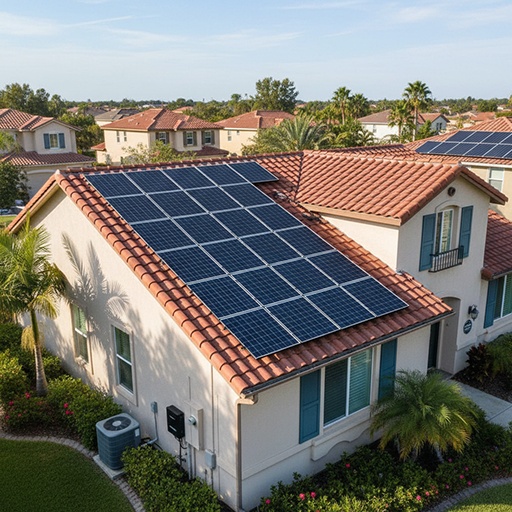
Designing a 3 kW on-grid system involves understanding average daily consumption, available roof space, and sunlight exposure. The system usually includes 5 to 6 solar panels (550-630 W each), a string inverter, AC & DC protection devices, and net metering.
Applications include urban homes, villas, and small offices, especially where grid power is reliable. Ensure use of 4 to 6 sq.mm DC cables, MC4 connectors, SPD (Surge Protection Devices), ACDB (AC Distribution Board), and DCDB (DC Distribution Board). Mounting structures should be galvanized iron (GI) or anodized aluminum for corrosion protection and long-term strength.
Roof orientation and panel tilt must be optimized based on location (tilt angle b/w 10-15 degree) for maximum generation.
A 3kW solar plant for residences is a smart and cost-effective solution for small to medium homes. It can generate enough electricity to support the daily needs of a 2–3 BHK house, helping families reduce their monthly electricity bills significantly. By producing your own power from sunlight, you become less dependent on the grid and protect yourself from rising electricity tariffs.
This system is also budget-friendly because government subsidies are available, which help reduce the initial installation cost. Once installed, a 3kW solar plant requires very low maintenance. Simple cleaning of the panels and a basic yearly check-up are usually enough to keep the system running efficiently. Solar panels are durable and typically last for 30 years, making it a long-term investment.
In addition to saving money, a 3kW solar system is environmentally friendly. It produces clean energy without pollution or harmful gases, contributing to a greener future. Installing solar power can also increase the value of your property, as homes with solar systems are more attractive to buyers. Overall, a 3kW solar plant is a reliable and practical choice for residential use in Indian weather conditions.
A 3kW solar plant is highly compatible with most residential electrical systems. It can easily connect to your existing home wiring through an inverter, without the need for major changes. This makes installation simple and convenient for both new and old houses.
It is suitable for running common household appliances such as lights, fans, television, refrigerator, washing machine, and even a small water pump. With proper load management, it can comfortably support the daily electricity needs of a 2–3 BHK home.
A 3kW system is also compatible with both on-grid and off-grid setups. In an on-grid system, it works along with the electricity board supply, while in an off-grid system, it can be connected to batteries for backup power during outages. It also works well with net metering, allowing you to export extra electricity to the grid and receive credits on your electricity bill.
New Technologies
New-age 3kW solar systems now come equipped with high-efficiency components designed to maximize energy generation and long-term performance. Mono PERC, TOPCon (Tunnel Oxide Passivated Contact), and half-cut cell solar panels are becoming the new standard, offering superior output in low-light conditions, higher efficiency, and longer durability. Trusted panel manufacturers like Adani, Rayzon, Vikram, and RenewSys provide reliable solutions backed by solid warranties and proven technology.
Modern systems also include advanced string inverters with Wi-Fi or Bluetooth connectivity, allowing users to monitor real-time energy production and system performance through mobile apps. Many setups now use hybrid inverters, which intelligently manage power from solar panels, batteries, and the grid—ensuring uninterrupted energy availability even during power cuts. For rooftops with shading or complex layouts, micro inverters are a smart option, as they operate independently on each panel to optimize output and improve overall system efficiency.
Additional innovations include smart net meters for accurate energy tracking, automated cleaning systems to maintain panel performance, and IoT-enabled inverters that provide instant fault alerts, grid disconnection reports, and detailed energy analytics. These features help homeowners track usage, detect issues early, and optimize system performance with ease.With these cutting-edge technologies, today’s solar systems are more intelligent, efficient, and future-ready—offering greater control, safety, and long-term savings for homeowners.
Topcon G12R Solar Panels: What's New
Topcon G12R panels use a new type of solar cell called N-Type TOPCon. This helps the panel soak up more sunlight and turn it into power, reaching up to 23% efficiency. The panels have a bifacial design, so they take in sunlight from both the front and back, giving more power than older panels.
These panels are tough. They have tempered glass on both sides for extra strength, and they can handle very hot or cold weather, from -40°C to 85°C. This makes them a good fit for hot places like India and the Middle East.
They also last well over time, losing less than 0.40% power each year, and come with a 30-year warranty. A safe junction box and a rust-resistant aluminium frame add to their durability. Overall, Topcon G12R panels are a smart choice for homes, businesses, and solar farms that want more power in the same space.
Best Brands (Each Component with Advantages, Technology, and Expertise)
Adani Solar (India)
Adani Solar is one of India’s largest integrated solar companies, manufacturing high-quality solar cells and modules. Their panels feature Mono PERC and multi-busbar (MBB) technology, offering high conversion efficiency, better low-light performance, and enhanced structural strength. Adani panels are known for their robust build quality, long-term performance, and resistance to PID (Potential Induced Degradation). With strong backward integration and in-house R&D, Adani provides reliable and cost-effective solar solutions suited for Indian climates. Their bankable brand reputation and extended warranties make them a preferred choice for both residential and commercial installations.
Rayzon Solar (India)
Rayzon Solar is a fast-growing Indian solar panel manufacturer, specializing in Mono PERC and TOPCon technology modules. Their panels deliver high efficiency, improved thermal performance, and better yield in partial shade and diffused light conditions. Rayzon's commitment to advanced cell technology, automated production lines, and strict quality control ensures panels with excellent durability and minimal degradation. Designed with Indian conditions in mind, Rayzon offers lightweight yet sturdy modules backed by competitive warranties and strong customer support—making them a reliable option for residential rooftops and small-scale commercial projects..
Waaree Energies (India)
A trusted Indian brand offering cost-effective panels with mono and polycrystalline options. Waaree’s EL-tested modules ensure minimal micro-cracks and improved longevity. Their customer service network is strong across India.
Vikram Solar (India)
Another top Indian manufacturer, Vikram Solar’s SOMERA series (Mono PERC) panels are known for their reliability and long life. Their modules undergo stringent quality tests and are ideal for Indian weather conditions.
Premier Energies (India)
Premier Energies is a Hyderabad-based solar company and the first in India to manufacture TOPCon cells. Their panels use Mono PERC and N-type TOPCon technology, offering high efficiency and strong energy output. With bifacial modules, half-cut cell technology, and newer G12R TOPCon modules using zero busbar (0BB) design, Premier Energies delivers durable, high-performance panels suited for both residential and commercial solar projects in India.